
Why Visibility Matters in Saving
When money sits in a bank account, kids can’t really see it growing. They understand numbers on a statement, but there’s no satisfaction like watching coins accumulate in a physical container. That’s where piggy banks and envelope systems shine — they turn abstract savings into something tangible your child can actually watch happen.
In Hong Kong, where many children get pocket money from ages 8-10 onwards, having a visual savings method helps them understand the connection between spending choices and their goals. Whether it’s saving for a new game, concert tickets, or just learning to hold onto money for a week without spending it all — visibility changes everything.
The Piggy Bank Method
The classic piggy bank works because it’s immediate and simple. Your child drops coins in, hears them clink, and can shake it occasionally to gauge progress. It’s tactile and satisfying in a way that digital apps just aren’t for younger kids.
Here’s what works best: choose a bank that’s transparent or semi-transparent so they can actually see the coins accumulating. Some kids like the ones with removable plugs at the bottom so they can count their money without breaking the bank open. Set a specific goal — “let’s fill this piggy bank by summer holidays” — and make it visual by marking progress with a sticker chart next to it.
The magic happens around week three or four. When your child can see a genuine pile of coins in there, it clicks. They realize they’ve actually saved something real.

Note on Physical Cash
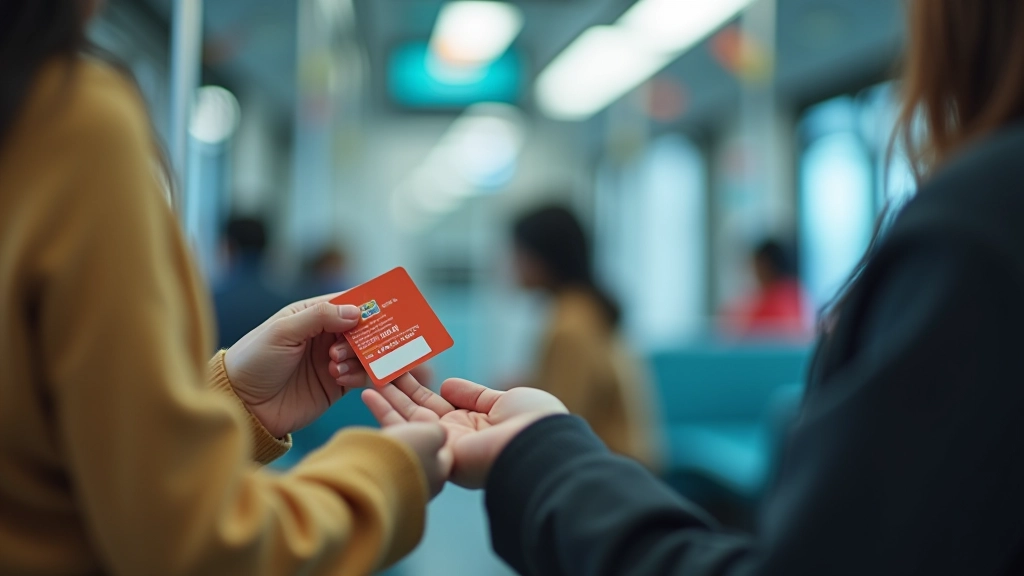
This guide focuses on teaching savings concepts through physical cash and visual methods. While Hong Kong increasingly uses Octopus cards and digital payments, physical money remains valuable for teaching young children (ages 8-12) because they can see, touch, and count it. As children get older (13+), combining physical methods with Octopus card awareness (discussed in another guide) creates a more complete picture of modern spending.
The Envelope System
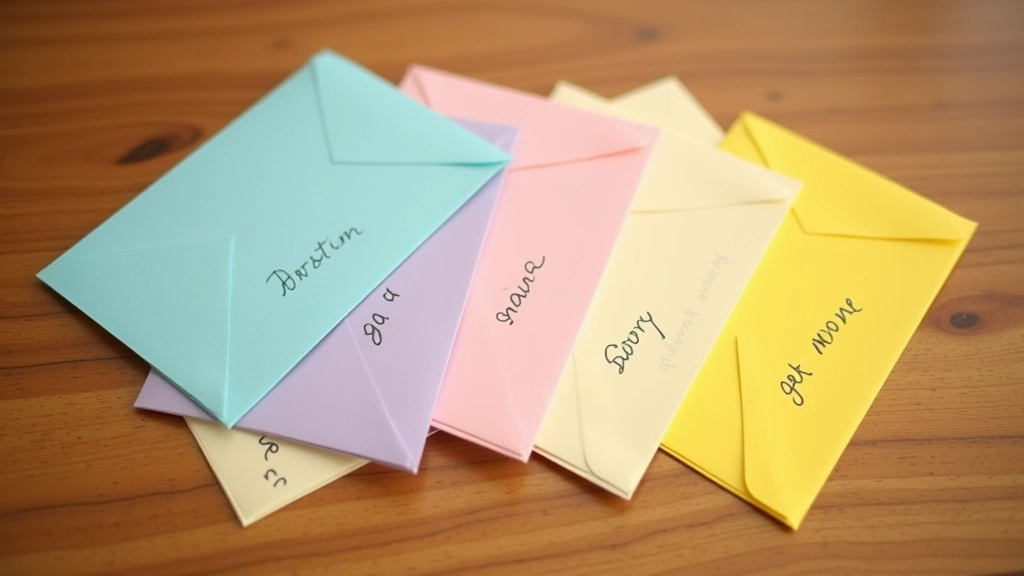
Envelopes take the visual approach further. Instead of one container, your child gets multiple envelopes labeled for different purposes: Save, Spend, Give, and sometimes Future Goal. It’s the classic envelope budgeting method adapted for kids.
When your child receives their weekly or monthly pocket money, they divide it into envelopes. They’re learning to allocate money toward different priorities while still seeing it physically. The Spend envelope lets them buy treats guilt-free because they know exactly how much is available. The Save envelope stays untouched, growing quietly.
This method works especially well for children aged 10-14. It’s concrete enough that they understand it immediately, yet teaches the important skill of allocation. Many Hong Kong parents use this approach before introducing Octopus card spending awareness.
Making It Work: Practical Tips
Keep It Visible
Don’t hide the piggy bank or envelopes in a drawer. Put them somewhere your child sees daily — their desk, shelf, or a designated spot on the kitchen counter. The whole point is watching progress happen.
Talk About It
Celebrate small wins. “Look, your Save envelope is getting full!” These conversations help children connect their current behavior to future results. It’s not about pressure — it’s about noticing progress together.
Set Real Goals
Don’t just save for the sake of saving. Help your child identify something they actually want — whether it’s a book, game, or experience. Knowing what they’re saving toward makes the whole system feel purposeful.
Review Together
Once a month, count the money together. This isn’t about judgment — it’s about reinforcement. Your child sees exactly how their choices accumulated into a real amount. That’s the learning moment.
Adapting as They Grow
The piggy bank method works brilliantly for primary school kids (ages 8-12). It’s simple, visual, and teaches the basics of delayed gratification without overwhelming them.
By secondary school (ages 13+), many children find piggy banks a bit childish. This is when you can transition to the envelope system or introduce digital tools like a simple spreadsheet where they track their savings. Some Hong Kong families start introducing Octopus card awareness at this stage — letting kids understand their card balance as a form of “money they can see.”
The key is maintaining visibility. Whether it’s a piggy bank, envelope system, or a written record in a notebook, your child should be able to look at their savings and feel progress. That visibility is what keeps them motivated to keep saving.

The Real Value of Visibility
Piggy banks and envelope systems aren’t just cute teaching tools — they’re genuinely effective because they make abstract concepts concrete. Your child doesn’t have to imagine savings; they can see it, hold it, and feel it grow.
In a city like Hong Kong where digital payments dominate, these physical methods offer something valuable: a tangible connection between spending choices and accumulated money. It’s a foundation that will serve them well as they eventually move toward Octopus cards, bank accounts, and more complex financial decisions.
Start simple. Get a transparent piggy bank or some envelopes. Let your child watch their savings grow. That’s the real lesson — not the amount of money, but the understanding that consistent small choices add up to something real.