
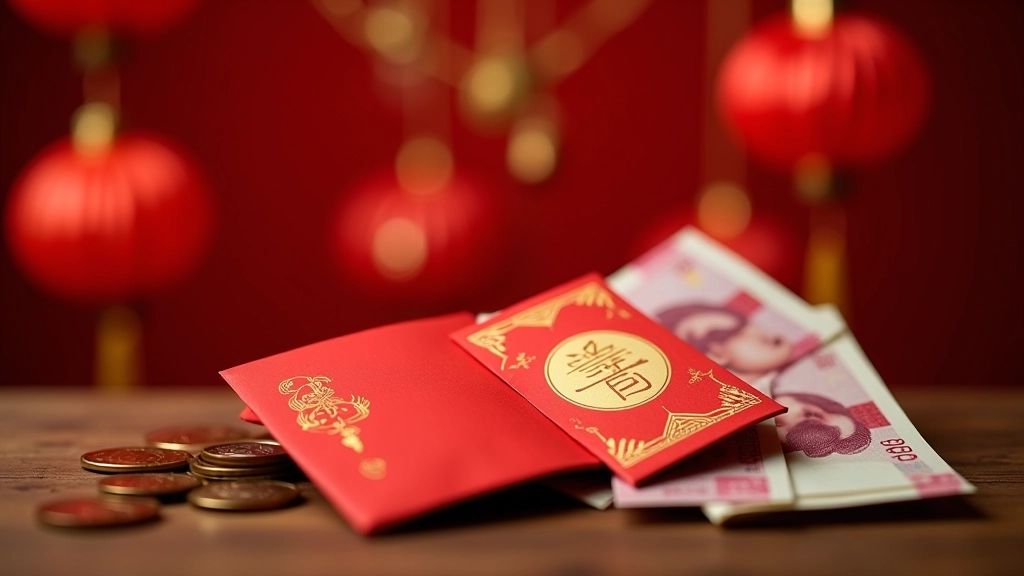
Why Lai See Is a Teaching Moment
Chinese New Year arrives with tradition, family gatherings, and those red envelopes filled with money. For kids, it’s exciting. For parents, it’s an opportunity — but you’ve got to handle it right.
Lai see isn’t pocket money. It’s a gift that comes with expectations. Your child receives it with respect, and you guide how it’s used. That’s the teaching moment. Without clear rules, you’ll watch the money vanish in a week on things they forget about by February.
The good news? It’s one of the easiest ways to teach financial responsibility because the money has cultural weight. Kids understand it’s special, not just spending cash.
Age-Appropriate Rules That Actually Work
Different ages need different structures. Not because younger kids can’t understand money — they can. But because their impulse control and planning ability develop over time.
Ages 5-8: The Visual Method
At this age, they’re still concrete thinkers. Abstract concepts like “saving for later” don’t mean much. What works? Three clear envelopes: Spend Now, Save For Something, Give Away.
You help them divide the lai see immediately — maybe HK$50 to spend, HK$100 to save toward that toy they’ve mentioned, HK$20 to give to charity. They see the money physically separated. When they want to buy something, they check their Spend Now envelope. It’s done within days usually, which is fine. The other envelopes teach that money has different purposes.
Ages 9-12: The Goal-Setting Approach
Kids this age can plan ahead. They understand “if I don’t spend all of it now, I’ll have more later.” Set a rule together: 30% to spend immediately, 50% toward a specific goal (gaming console, sports equipment, concert ticket), 20% to save or give.
The key is making the goal real. Not “save for the future” — that’s too vague. “Save for the Nintendo Switch you want in June” works. They can visualize it. You might track it on a chart on their bedroom wall, watching the total grow.
Ages 13+: The Account and Boundary Method
Teenagers are ready for real financial decisions. Open a savings account (or use an app like Wise or similar) and deposit the majority of the lai see there. They keep a portion as spending money — maybe HK$150-300 depending on what you give — but the bulk stays untouched.
They can see it growing. They understand interest, even if it’s minimal. They experience the feeling of “I have money” without the pressure to spend it all immediately. And they’re learning that lai see isn’t the same as monthly allowance.


The Spending Limit Conversation
Here’s what parents often skip: actually talking about how much is okay to spend. You can’t just hand over the money and expect them to self-regulate. They need a boundary.
Frame it as “This is how much you can spend during CNY week.” Not “You can’t have this” — instead “You’ve got HK$200 for the week, so you need to choose what matters most.” The number depends on your family. Some families do HK$100, others do HK$300. What matters is it’s clear and agreed upon before the spending happens.
Then — and this is crucial — stick to it. If they blow through it by day three wanting bubble tea and snacks and a new phone case, they don’t get more from you. They wait until their next allowance (if they get one). They might ask relatives for more, and that’s a separate issue, but you’re teaching that their lai see money runs out if they’re not thoughtful.
This is uncomfortable. But it works. They remember the year they ran out. The next year, they budget differently.
Important note: This article is educational information about teaching financial concepts to children. Every family’s situation is different — adjust these approaches to match your values and your child’s maturity level. If you’re concerned about a child’s relationship with money or spending, consider consulting a family financial counselor.
Making It About Gratitude, Not Just Greed
Lai see comes with a cultural expectation: you receive it respectfully, you thank the giver, and you understand it’s a gift given with good wishes for your future. That’s powerful. Use it.
When your child receives lai see, don’t let them just pocket it. Have them write a thank-you note or message to each relative. “Thank you for the lai see. I’m going to save most of it toward…” whatever their goal is. They’re learning that gifts come with gratitude, not entitlement.
Some families also make giving part of the ritual. If your child receives HK$500 in lai see across various relatives, maybe they donate HK$50 to a cause they care about — animal shelter, food bank, school project. They’re learning that having money means making choices about where it goes.
Quick tip: Photograph your child with each relative who gives lai see. Later, when they want to spend the money, they can see the face of the person who gave it to them. It makes the money feel less abstract and more like a relationship. Sounds small, but it shifts their thinking.
Common Mistakes to Avoid
Parents mean well but sometimes create the opposite of what they intend.
Mistake 1: “I’ll keep it safe for you”
Then you spend it on their school fees or groceries and never give it back. Your child learns: lai see isn’t really theirs. Don’t do this. If you need to manage the money, be transparent. “I’m depositing this in a savings account for you. You can see the balance anytime.” Not: take the money and disappear.
Mistake 2: No rules at all
Giving them total freedom sounds progressive. It’s actually confusing. Kids want structure. Without it, they spend everything immediately and feel bad about it, or they freeze and don’t spend anything. A simple framework helps.
Mistake 3: Using it as punishment
Don’t confiscate their lai see as a consequence for misbehavior. That’s not how money works in the real world. If they break a rule, there are other consequences. Lai see is separate.
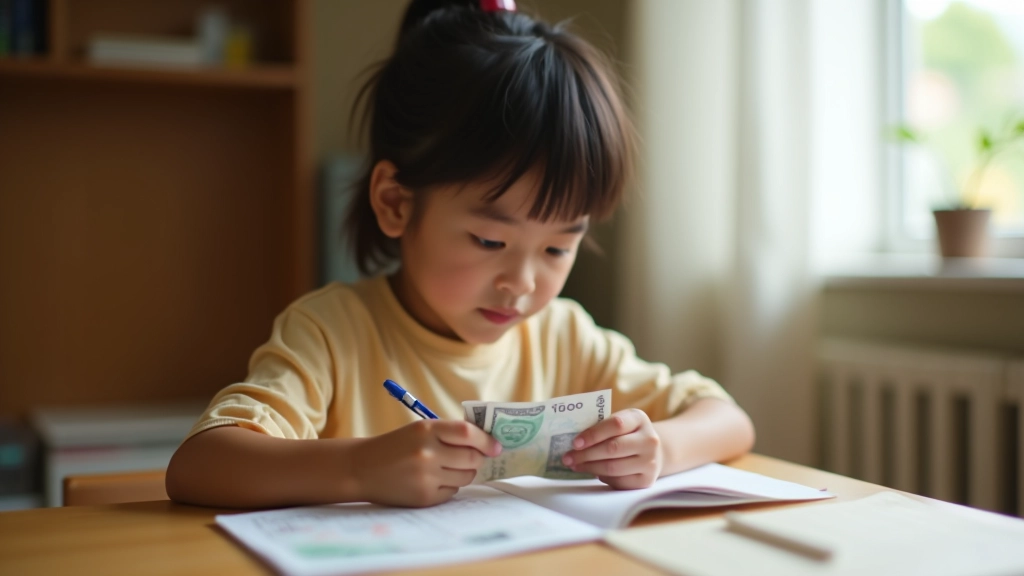
The Long-Term Payoff
Handling lai see thoughtfully doesn’t teach them to be stingy. It teaches them that money is a tool. They can spend it (spend envelope), they can save it toward things they want (goal envelope), and they can give it away (giving envelope). Three choices, all valid, all important.
By the time they’re 16 or 17, they’ll have years of CNY experiences under their belt. They’ll understand that receiving money comes with choices. They won’t be the person who gets a bonus and wastes it in a month. They’ll be the person who thinks, “What do I actually want this for?”
That’s worth the awkward conversations about spending limits. That’s worth having clear rules. That’s what makes lai see more than money — it becomes a lesson.