

Why the Octopus Card is a Teaching Opportunity
Most Hong Kong kids get an Octopus card between ages 7 and 9. It’s convenient — they tap for the minibus, buy lunch, grab snacks. But here’s the thing: they often don’t actually see the money leaving. It’s invisible. That’s exactly why it’s perfect for teaching spending awareness. When children can’t visualize their balance decreasing, spending feels consequence-free. The card becomes an unlimited pocket.
That changes when you make the balance visible and meaningful. You’re not just managing their card — you’re teaching them to notice what they spend, think before they buy, and understand that limits exist for a reason.
Educational Note
The strategies in this guide are designed for teaching and learning purposes. Every family’s financial situation is different — adapt these approaches to what works for your household and your child’s age and maturity level.
Making the Balance Visible
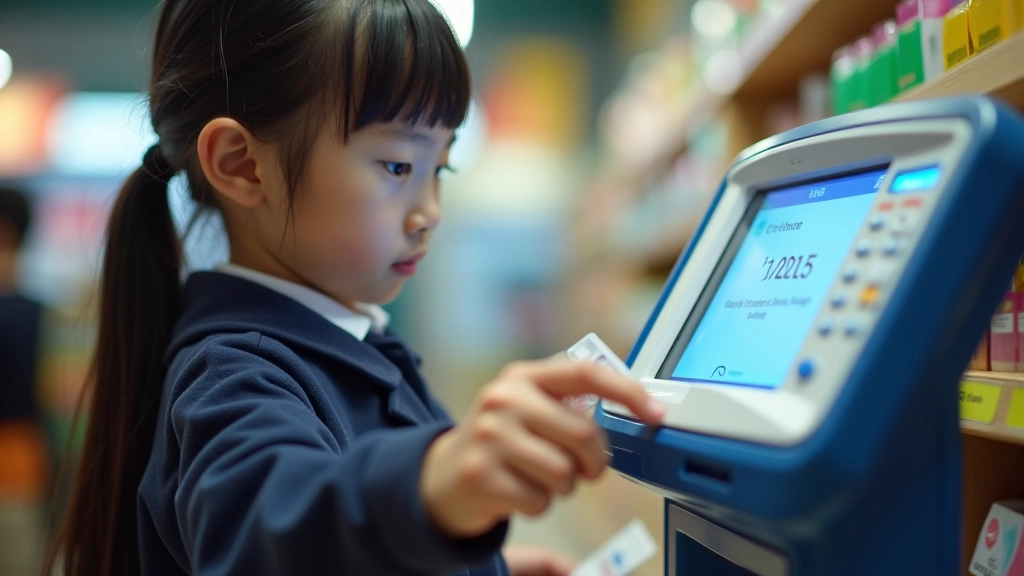
The first step is simple: your child needs to know their balance. Not as a vague idea, but as a real number they check regularly. Ask them to look at their balance at the Octopus reader when you pass one. Better yet, download the Octopus app together — it shows real-time balance and transaction history. Suddenly it’s not abstract anymore.
Some families print out a weekly balance tracker. Your child writes down their balance every Sunday. They see it drop from HK$100 to HK$92 to HK$78. It becomes a graph of their choices. Kids are surprisingly motivated by seeing patterns in their own data.
The key here isn’t perfection — it’s awareness. They’re starting to connect the action (buying a drink) with the consequence (money gone).

Setting a Realistic Limit
Don’t just hand them a card and say “don’t spend too much.” That doesn’t work. Instead, set an actual number. Here’s the important part: it should be an amount they can spend in a month, not a daily limit that’s confusing to track.
For a primary school child (ages 7-11), HK$150-300 per month makes sense. For secondary students (ages 12-18), HK$300-600 works depending on what they’re buying. The limit should cover their regular purchases — transport top-ups, occasional snacks, lunch on days they don’t bring food.
Make it clear: once the limit is reached, the card is empty until next month. No emergency top-ups, no exceptions. This isn’t about punishment — it’s about them learning to budget within boundaries. That’s real financial skill.
Weekly Check-Ins That Actually Work
Set a time — Sunday evening works for many families — where you both look at the card’s transaction history together. This isn’t about lecturing. It’s about noticing patterns.
Look at what was actually bought
The Octopus app shows where transactions happened — which shop, what time. Ask: “Why did you need a drink on Tuesday? Could you have brought water instead?” No judgment. Just curious questions.
Spot the impulse purchases
Kids don’t always remember what they bought. Seeing HK$32 at a convenience store makes them think: “Oh yeah, I got a snack I didn’t really need.” That’s learning. They’re connecting spending with actual value.
Plan for next week together
If they’re tracking toward the limit too fast, talk about it. “You’ve spent HK$250 and we’re only three weeks in. Do you want to bring lunch more often?” They own the solution. That’s what makes it stick.
Celebrate smart weeks
If they spent less than expected and made intentional choices, acknowledge it. “I noticed you brought lunch three days this week instead of buying. That’s smart planning.” Recognition matters more than rewards.
When They Reach the Limit Early
This will happen. Your child will blow through their monthly limit in three weeks. They’ll ask for more. Don’t cave in. This is the entire lesson happening right now.
Instead: “Your limit for this month is finished. You can still eat lunch, but you’ll need to bring food from home for the next two weeks. Or you could ask for extra pocket money if you want to do extra chores.” Give them options, not bailouts. They learn that choices have consequences — and that they can problem-solve around limits.
Some months they’ll make it work. Some months they won’t. Both outcomes teach something valuable. The important part is they’re learning to notice their spending and make adjustments, which is what financial awareness actually is.


Adjusting the Limit as They Grow
A limit that works at age 9 doesn’t work at 15. Your child’s world expands. They’re going out more, managing their own lunch money, maybe saving for things they actually want. The monthly limit should grow with them.
Every six months, have a conversation: “Your limit is HK$200 now. Do you think that’s still working, or should we adjust it?” Let them weigh in. A 15-year-old who helps set their own limit is far more likely to respect it than one who feels it’s imposed on them.
The goal isn’t to keep them on a tight leash forever. It’s to teach them to notice their spending, make conscious choices, and understand that money — even on a card — is finite.
The Real Lesson
An Octopus card is convenient. It’s also invisible. Your job is to make it visible — to help your child see their balance dropping, notice where their money goes, and understand that limits aren’t restrictions, they’re training wheels for real financial independence. When they’re 18 and managing a real budget, they’ll remember these conversations. They’ll know how to check their balance, track their spending, and make choices that fit their reality. That’s not boring financial literacy. That’s actual life skill.